




Mobile hearing diagnostics · Population health infrastructure

The ear is the front door to healthcare.

Assured Hearing brings full diagnostic hearing care to people where they already are: clinics, workplaces, schools and communities. Every exam connects to the wider health picture through our 12 Health Connectors. We operate across the United States, South Africa and Namibia, and are building towards 100+ countries.

Your Call. Your Hearing Care.

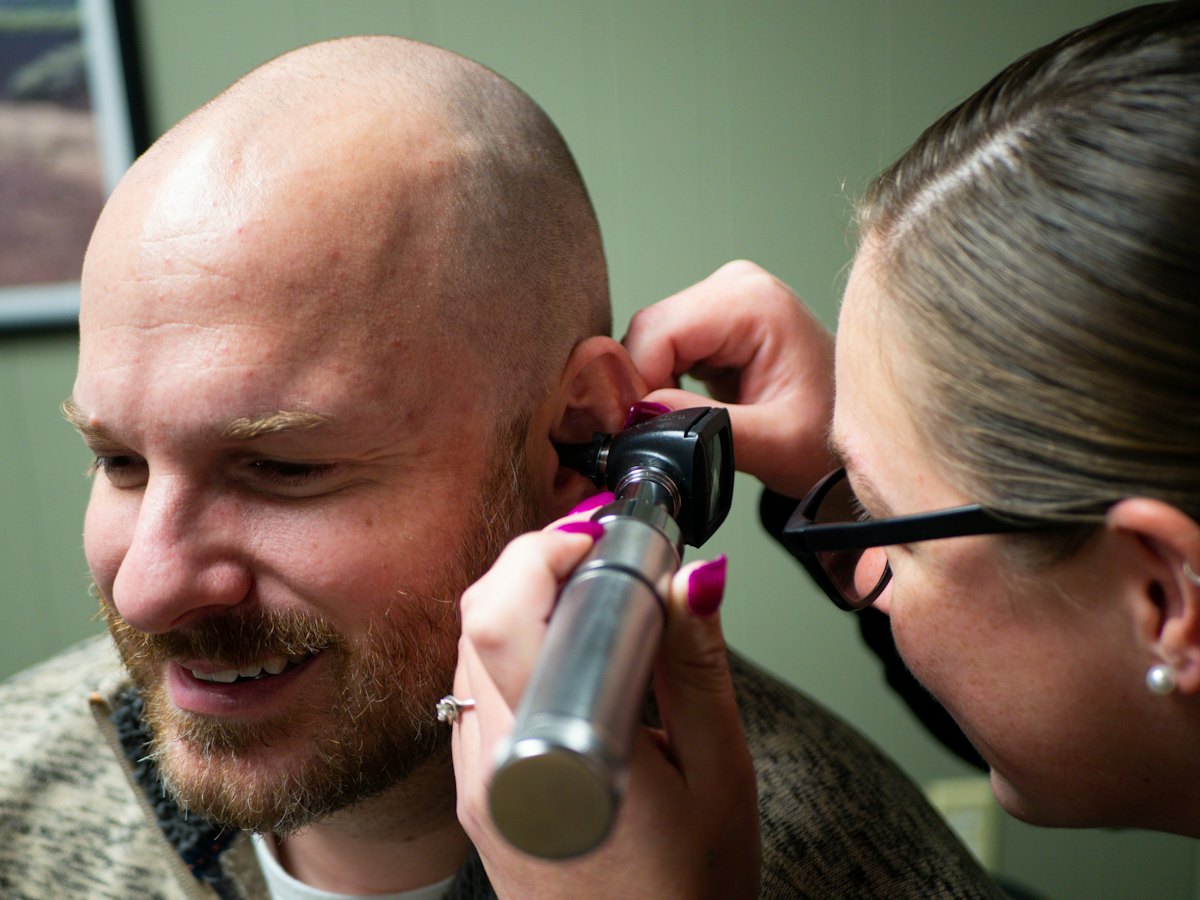
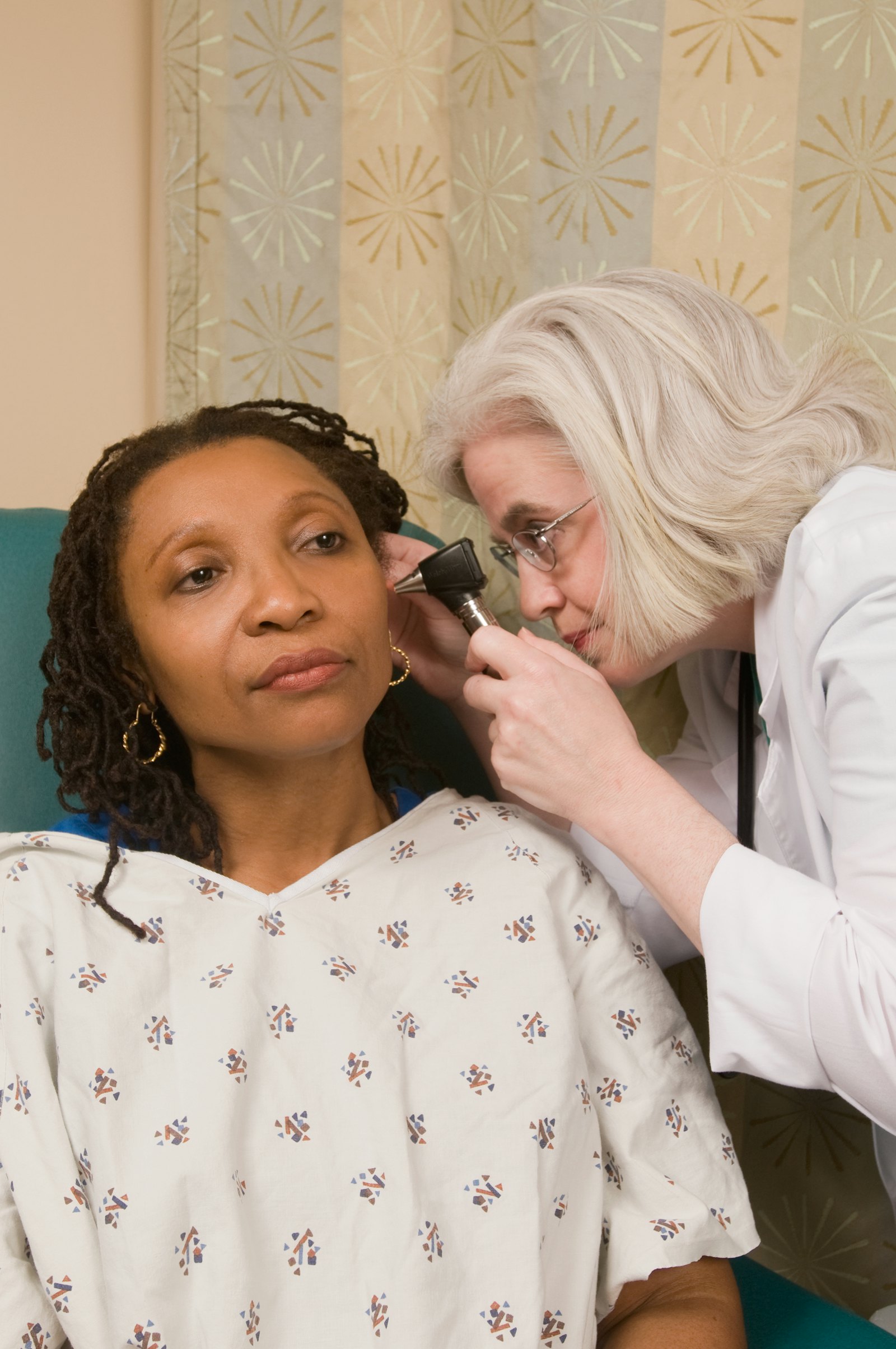
Patient having a hearing test with a portable audiometer in a clinic
1.5B+people live with some degree of hearing lossWorld Health Organization
430Mhave disabling hearing loss, most in low- and middle-income countriesWorld Health Organization
$16returned for every $1 invested in hearing careWHO World Report on Hearing
~20 minfor a full diagnostic exam, without a sound boothAssured Hearing protocol
How it works

Hearing care that goes to the patient.

Most hearing care still waits for the patient to find a booth, a specialist and a referral. We reverse that. Our portable devices go into the places people already visit, and our platform handles the rest.

KUDUwave device set up in a clinic room
1

Deploy

FDA-registered Class II mobile audiometric devices placed with partners at no purchase cost to them, ready inside clinics, workplaces and schools.

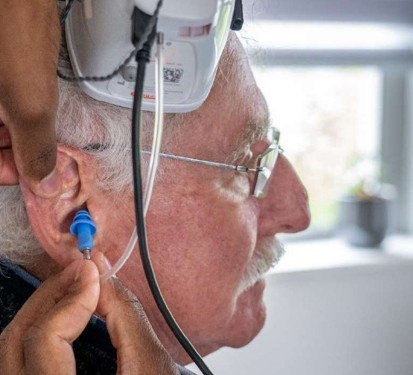
Clinician placing a KUDUwave insert earphone for an older patient
2

Test

Trained coordinators run a full diagnostic exam in about 20 minutes. No sound booth required. Results go straight to the platform.

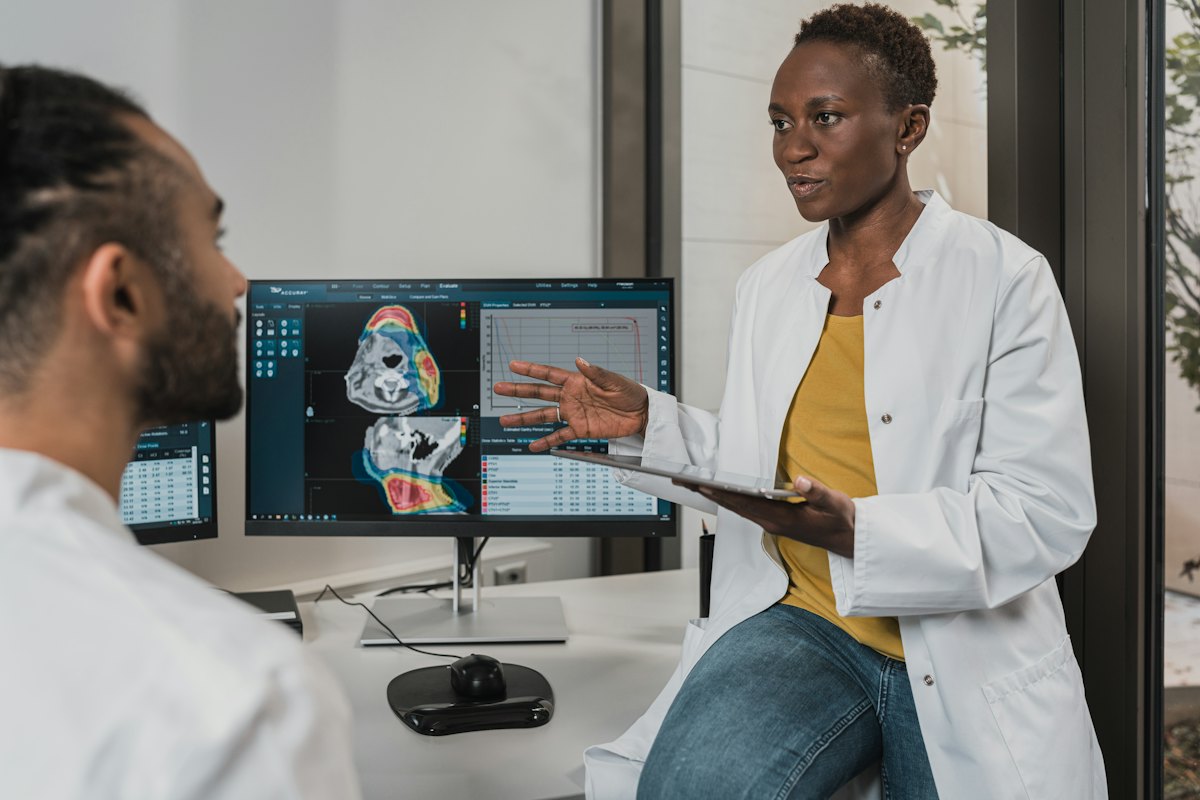
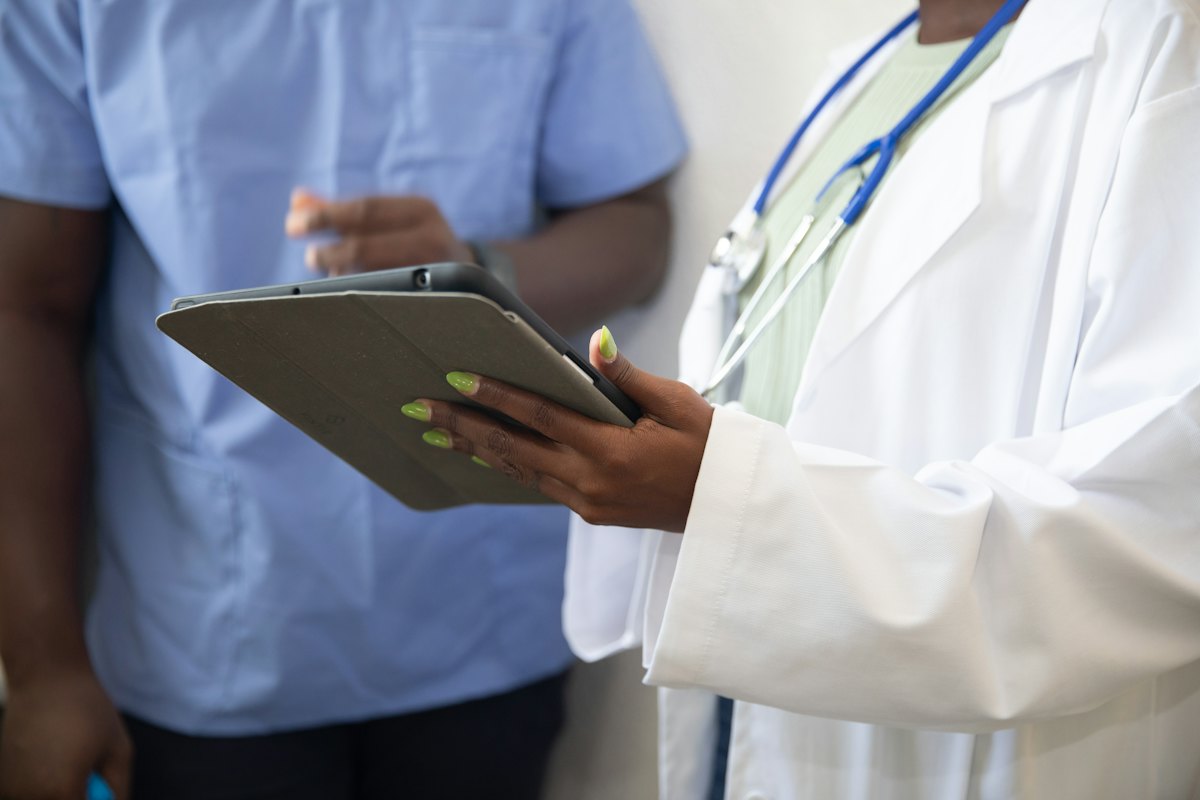
Clinician reviewing health data on a tablet
3

Connect

Each result is linked to the 12 Health Connectors, so hearing becomes an early signal for heart, metabolic, cognitive and mental health.

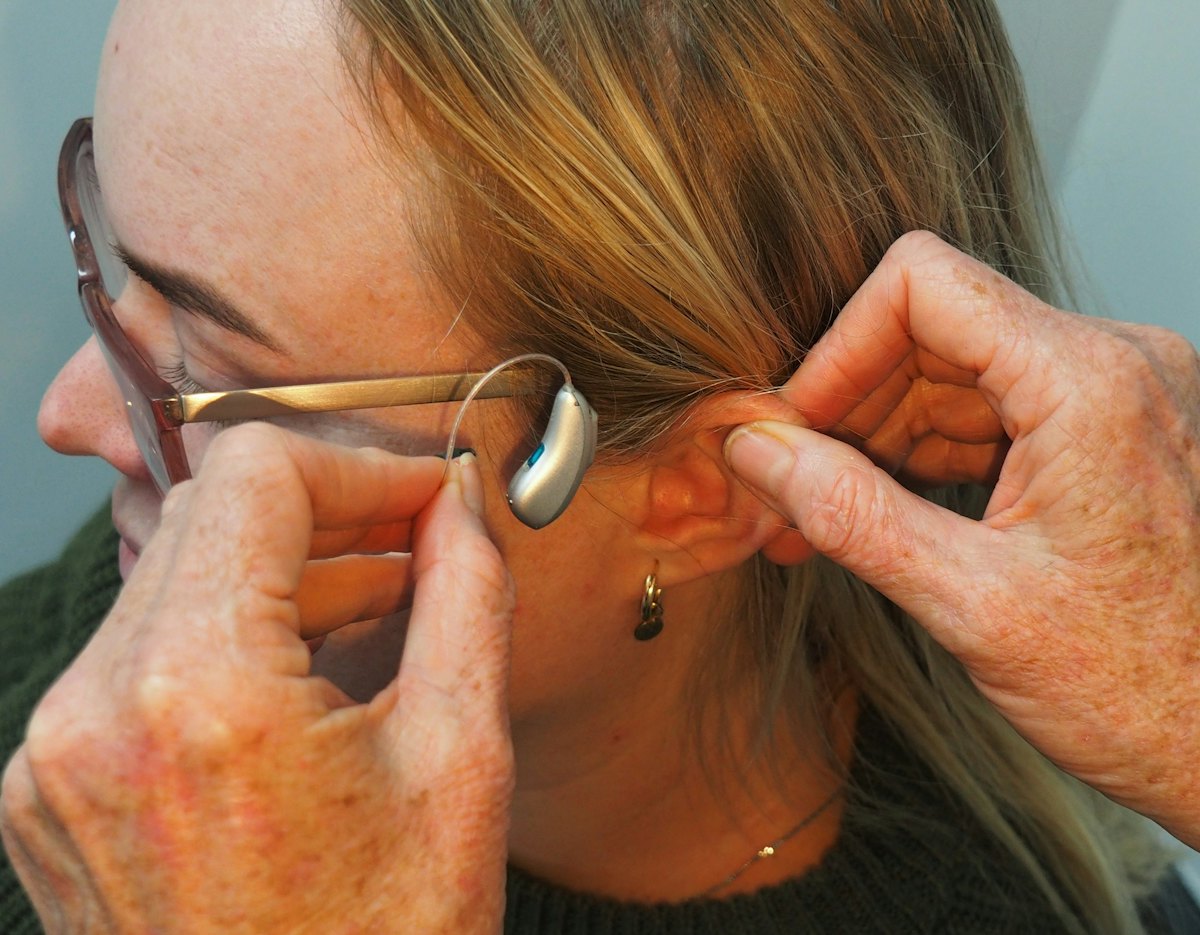
Patient being fitted with a hearing aid
4

Care

AI-assisted reports, audiologist sign-off, ENT and GP referral, and access to affordable hearing aids, all tracked through follow-up.

The 12 Health Connectors

A hearing exam that sees the whole person.

Research links hearing loss to some of the most costly conditions in healthcare. We treat every audiogram as a starting point. It opens the way to prevention, earlier diagnosis and continuous care.

  • Cardiovascular disease
  • Type 2 diabetes
  • Hypertension
  • Dementia
  • Depression

…and seven more connectors, each backed by published research.

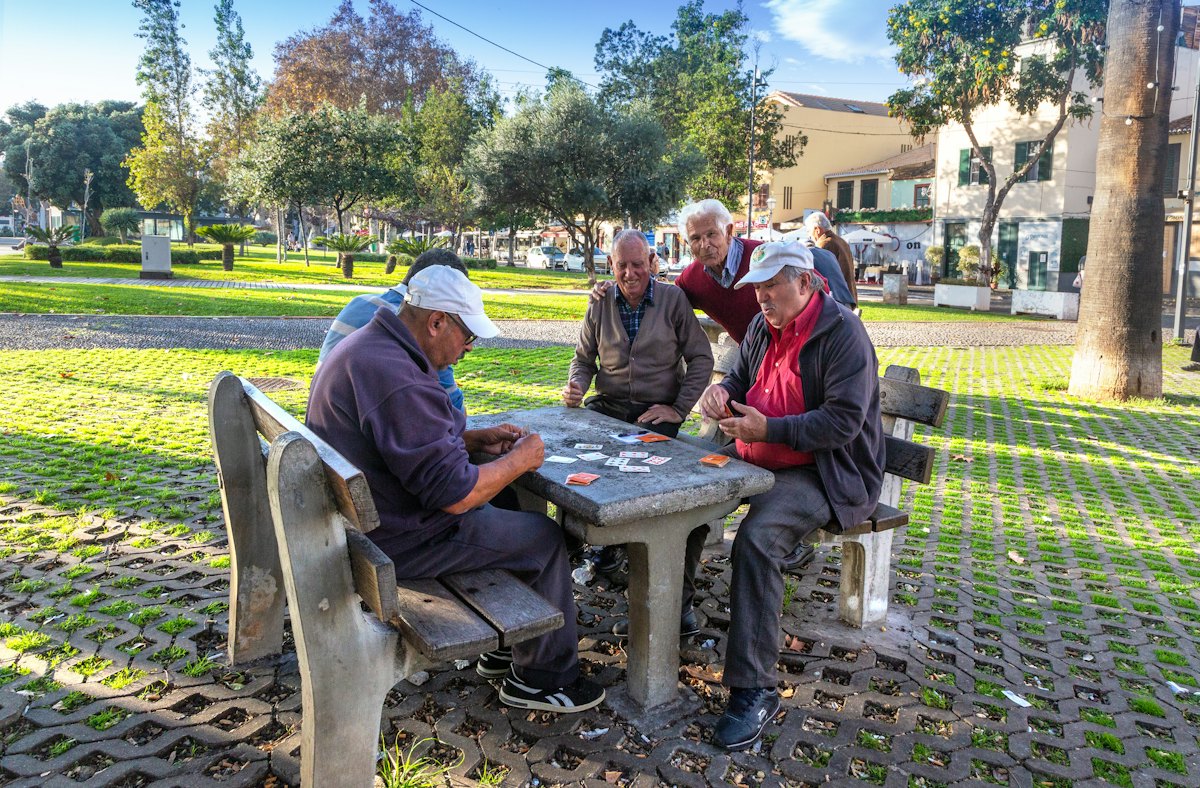
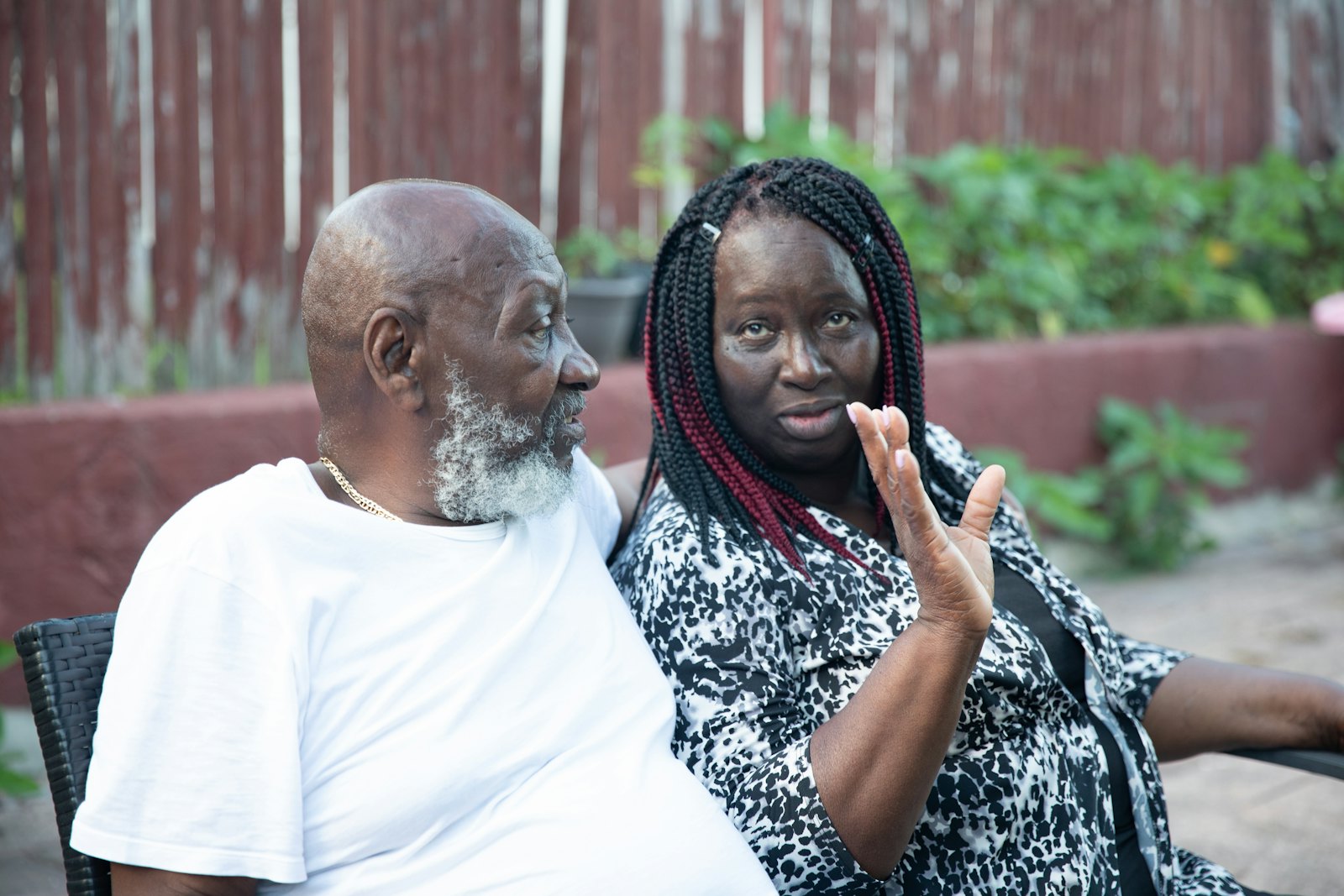
Older couple in conversation outdoors
KUDUwave by Assured Hearing

Think out of the booth.

A portable audiometer built to deliver clinical-grade results outside the sound booth. It is light enough to carry and runs from a laptop's USB port. Peer-reviewed studies have validated it against booth testing.

87–97%of thresholds within 5 dB of booth testing in published validation studies
~95%within 10 dB in independent US studies
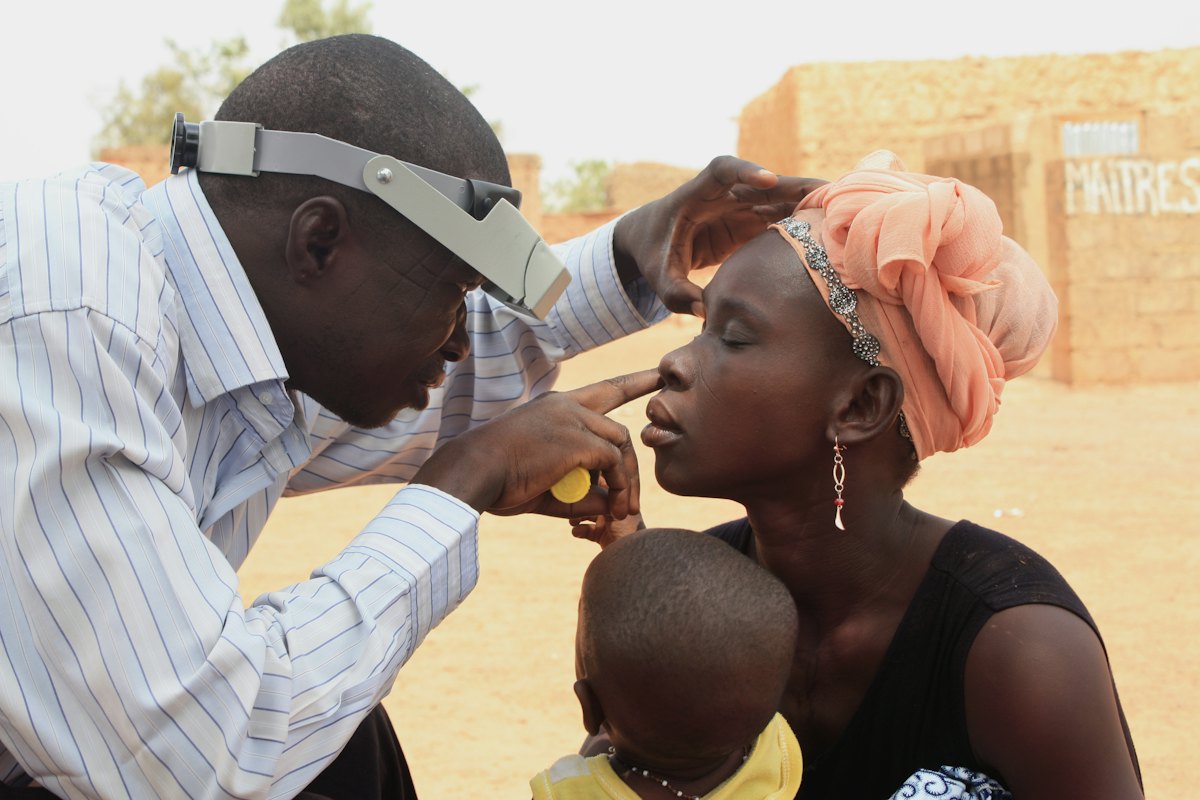
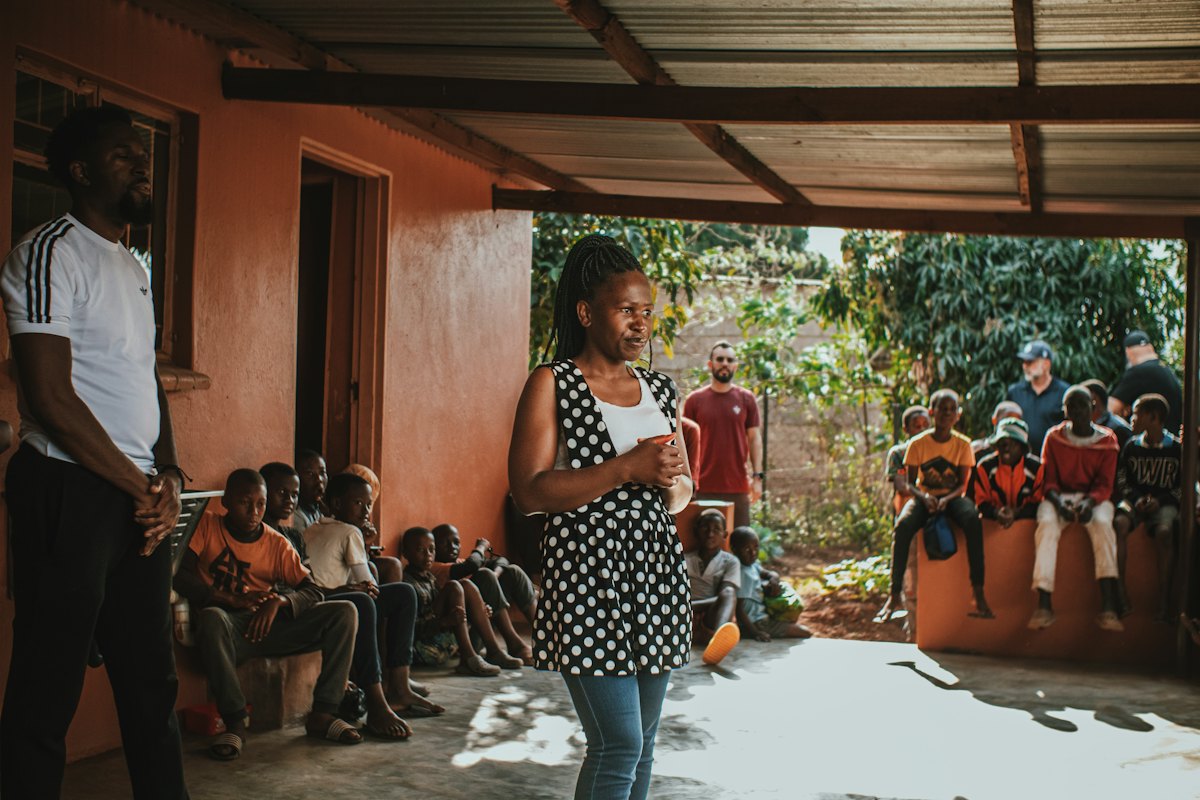
Community health day in Africa
Africa first. The world next.

Where the gap is widest, the impact is greatest.

In more than 75% of African nations there is fewer than one audiologist or speech therapist per million people. Portable diagnostics reach communities without new buildings.

Our global roadmap

Embark on your hearing journey.

Tell us who you serve. We'll show you what a partnership looks like for you.

The Assured Hearing Platform

Maximum care.
Minimum friction.

An AI-automated healthcare platform that runs scheduling, testing, clinical reporting, billing support, device management and patient consent. Every device, every exam and every follow-up is visible on one connected system.

Health platform dashboard on a laptop
Three pillars

Built for 600,000 devices across 100 countries.

01

Patient-controlled consent

Patients own and control their records through their own mobile dashboard. Every use of data is consent-gated, logged and transparent. We are building this as a global consent platform.

02

Global Device Command

Every serial-numbered device is connected, mapped and monitored daily. The system tracks calibration, maintenance, utilization and consumables, and protects every device around the clock.

03

AI clinical automation

AI drafts the reports and treatment plans. The audiologist reviews, adjusts and signs. One clinician can safely validate results across many sites.

Patient checking health records on a mobile phone
Interoperability

We enhance your systems. We don't replace them.

Assured Hearing stays in its lane. We keep the hearing diagnostic record, with the 12 Health Connectors and continuity of care, and connect it securely into any EMR or EHR the provider already uses.

  • Automatic transfer of audiograms into the platform
  • Results and care plans shared back to the primary care record
  • Closed-loop referrals: GP → audiologist → ENT → back to GP
  • AI scheduling that matches patient, device, coordinator and provider
The 12 Health Connectors

Hearing as an early signal for whole-body health.

Each exam feeds a longitudinal health record, built over years of annual testing.

Security & data principles

  • Consent before data, always
  • Identified patient data is never sold
  • Licensed datasets are de-identified and aggregated only
  • Built for HIPAA, POPIA and national data-protection law
  • In-country data residency where required: "Your data stays in your country."
  • Security controls built to SOC 2 and ISO/IEC 27001 standards (certification in progress)
Data infrastructure

Building the world's deepest hearing-health dataset.

Every consented exam adds structured clinical, occupational and longitudinal data. Over years of repeat testing, this becomes a resource for research, prevention and better health policy. Partners and countries share in the value it creates.

The 12 Health Connectors

Hearing is a window into whole-body health.

Hearing loss rarely travels alone. Large studies link it to heart disease, diabetes, kidney disease, dementia, depression, falls and more. Some of these conditions damage the ear. For others, hearing loss itself raises the risk. Either way, a 20-minute hearing exam becomes an early signal for the rest of the body.

Older couple in conversation outdoors
1

The ear is sensitive

The cochlea relies on a single small artery and delicate hair cells that do not regrow. Damage to blood vessels, nerves or oxygen supply often shows up in hearing first.

2

Hearing shapes the brain

When hearing fades, the brain works harder to decode sound and receives less stimulation. People also withdraw socially. Both are linked to cognitive decline, depression and isolation.

3

One test, many signals

Each exam feeds a long-term record. Over repeat annual tests, patterns emerge that help clinicians act sooner. Results are always shared with the patient's own doctor.

Doctor checking a patient's heart with a stethoscope
CONNECTOR 01

Cardiovascular disease

Why it's connected

The cochlea is fed by a single tiny artery with no backup supply. The same vessel damage behind heart disease can starve the inner ear, so hearing changes may be an early sign of cardiovascular trouble.

How the hearing loss happens

Reduced blood flow to the stria vascularis and the hair cells of the cochlea.

The evidence
38% higher odds

People with hearing loss had 1.38 times the odds of cardiovascular disease, and 1.36 times the odds of coronary artery disease, across about 1.6 million people.

Tan CJW et al. Meta-analysis, Otolaryngology–Head and Neck Surgery, 2023 (10 studies).Read the study →
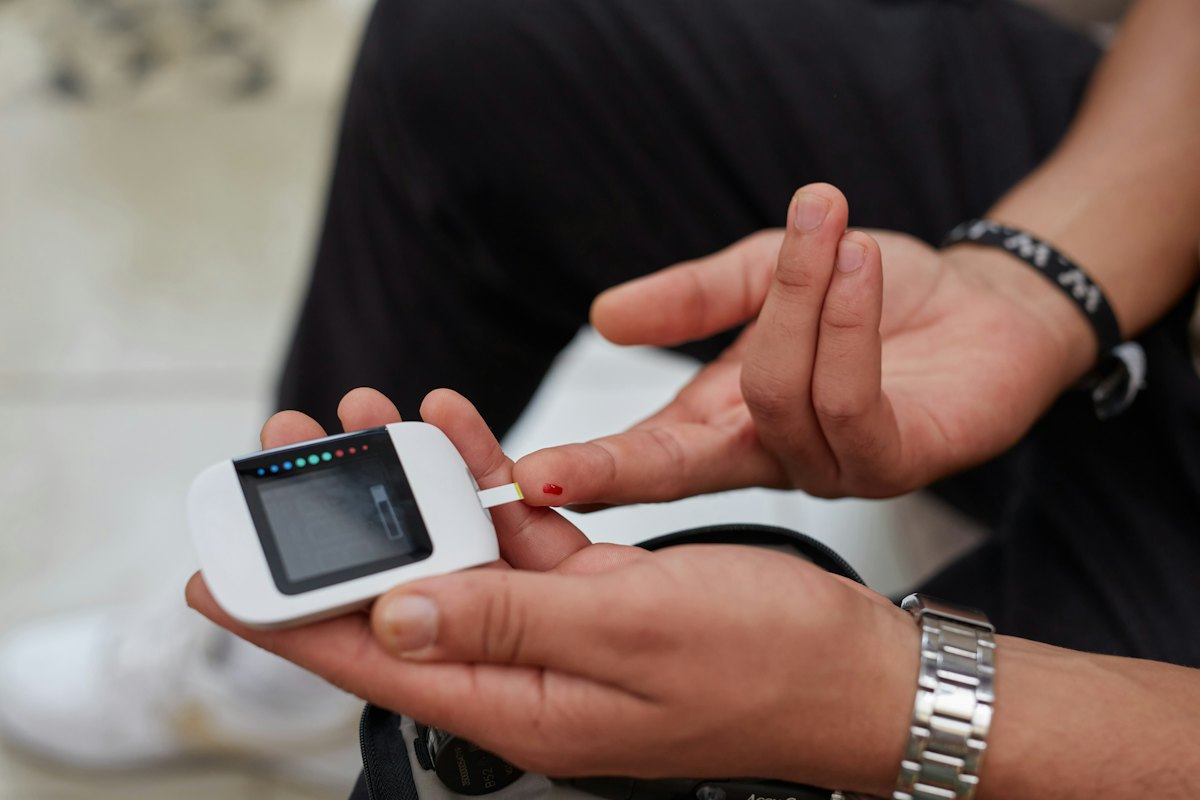
Person checking blood sugar with a glucose meter
CONNECTOR 02

Type 2 diabetes

Why it's connected

High blood sugar damages small blood vessels and nerves throughout the body, including those in the inner ear and the hearing nerve.

How the hearing loss happens

Microvascular and nerve damage in the cochlea and auditory nerve.

The evidence
2.15× more common

Hearing impairment was 2.15 times as common in people with diabetes, and 2.61 times in those aged 60 or under.

Horikawa C et al. Meta-analysis, Journal of Clinical Endocrinology & Metabolism, 2013 (13 studies, 20,194 people).Read the study →
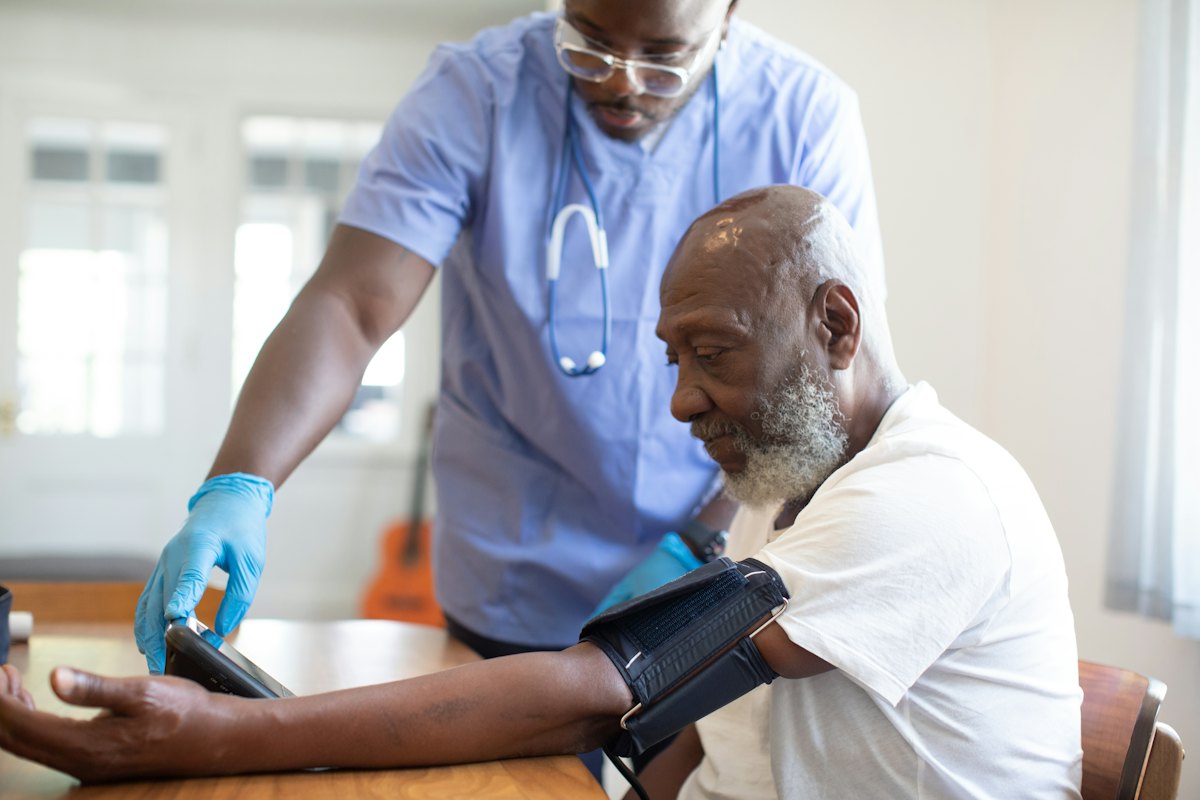
Nurse measuring a patient's blood pressure
CONNECTOR 03

Hypertension

Why it's connected

High blood pressure damages the small vessels that power the cochlea and reduces its oxygen supply. It often travels with the other vascular conditions linked to hearing loss.

How the hearing loss happens

Poor microcirculation and low oxygen in the cochlea, which damage its sensory cells.

The evidence
594,676 people studied

Across 12 studies, hypertension was linked to 1.85 times the odds of hearing loss. The link becomes much smaller once age and other factors are accounted for, so blood pressure is best read alongside the other vascular connectors.

Jin X et al. Meta-analysis, Frontiers in Neurology, 2025.Read the study →
Older adult and family member in conversation
CONNECTOR 04

Dementia

Why it's connected

Hearing loss is the risk factor. Straining to hear uses up brain resources, the brain receives less stimulation, and people withdraw socially. All three are thought to wear down cognitive reserve.

How the hearing loss happens

Shared risk: here, hearing loss raises the risk of dementia.

The evidence
Largest modifiable risk

The Lancet Commission found midlife hearing loss accounts for about 8% of dementia cases, the largest share of any modifiable risk factor it studied.

Livingston G et al. Lancet Commission on dementia prevention, The Lancet, 2020; updated 2024.Read the study →
Person sitting alone looking thoughtful by a window
CONNECTOR 05

Depression

Why it's connected

Conversation becomes hard and tiring. People pull back from family and social life, which raises the risk of depression.

How the hearing loss happens

Shared risk: here, hearing loss usually comes first.

The evidence
47% higher odds

Across 35 studies and 147,148 people, older adults with hearing loss had 1.47 times the odds of depression.

Lawrence BJ et al. Meta-analysis, The Gerontologist, 2020.Read the study →
Older adult doing a puzzle at a table
CONNECTOR 06

Cognitive decline

Why it's connected

When hearing fades, the brain spends more effort decoding sound, leaving less for memory and thinking. Hearing care is one of the few things shown to help.

How the hearing loss happens

Shared risk: here, hearing loss raises the risk of faster decline.

The evidence
Up to 41% faster decline

Over 6 years, older adults with hearing loss saw thinking scores fall 32–41% faster, with a 24% higher risk of new cognitive impairment.

Lin FR et al. Health ABC study, JAMA Internal Medicine, 2013 (1,984 adults).Read the study →
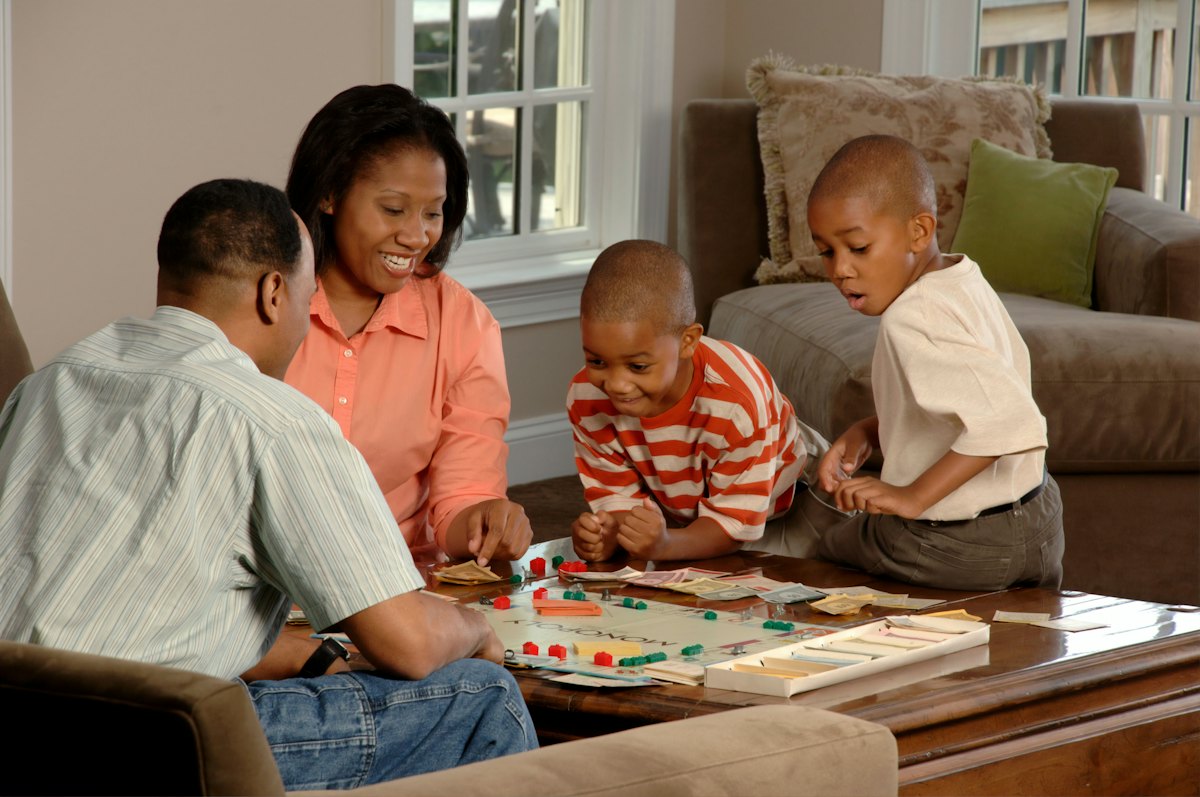
Family gathered and talking around a table
CONNECTOR 07

Social isolation & loneliness

Why it's connected

When conversations break down, people avoid group settings and their social circles shrink. Isolation is itself a risk for depression and dementia.

How the hearing loss happens

Shared risk: here, hearing loss is the risk factor.

The evidence
38% lonely

In a US trial cohort of 933 older adults with hearing loss, 38% were lonely. Each step worse in hearing meant 19% higher rates of moderate-or-greater loneliness.

Huang AR et al. ACHIEVE study baseline, Journal of Gerontology: Medical Sciences, 2024.Read the study →
Older adult walking with support on a path
CONNECTOR 08

Falls & balance

Why it's connected

People with hearing loss are less aware of their surroundings, and listening effort leaves less attention for balance. The hearing and balance organs also sit side by side in the inner ear.

How the hearing loss happens

Shared risk: here, hearing loss raises the risk of falling.

The evidence
Nearly 3× the odds

Even mild hearing loss (25 dB) was linked to nearly three times the odds of a fall, with each further 10 dB adding about 1.4-fold.

Lin FR & Ferrucci L. Archives of Internal Medicine, 2012 (2,017 US adults aged 40–69).Read the study →

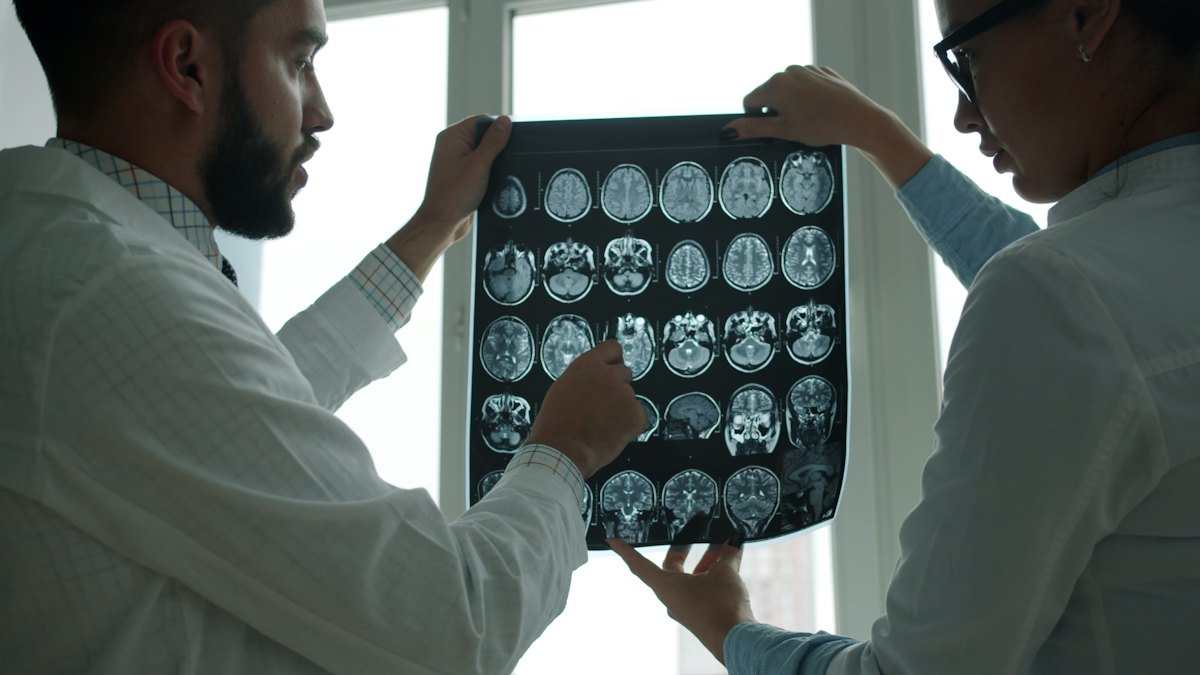
Doctor reviewing a brain scan
CONNECTOR 09

Stroke

Why it's connected

The inner ear shares the brain's delicate blood supply. Vascular disease can cause sudden hearing loss, which may be an early warning before a stroke.

How the hearing loss happens

A blocked or reduced blood supply to the inner ear or hearing pathways.

The evidence
33% higher risk

Across 8 cohort studies and 4.5 million people, sensorineural hearing loss was linked to a 33% higher adjusted risk of stroke.

Khosravipour M & Rajati F. Meta-analysis, Scientific Reports, 2021.Read the study →
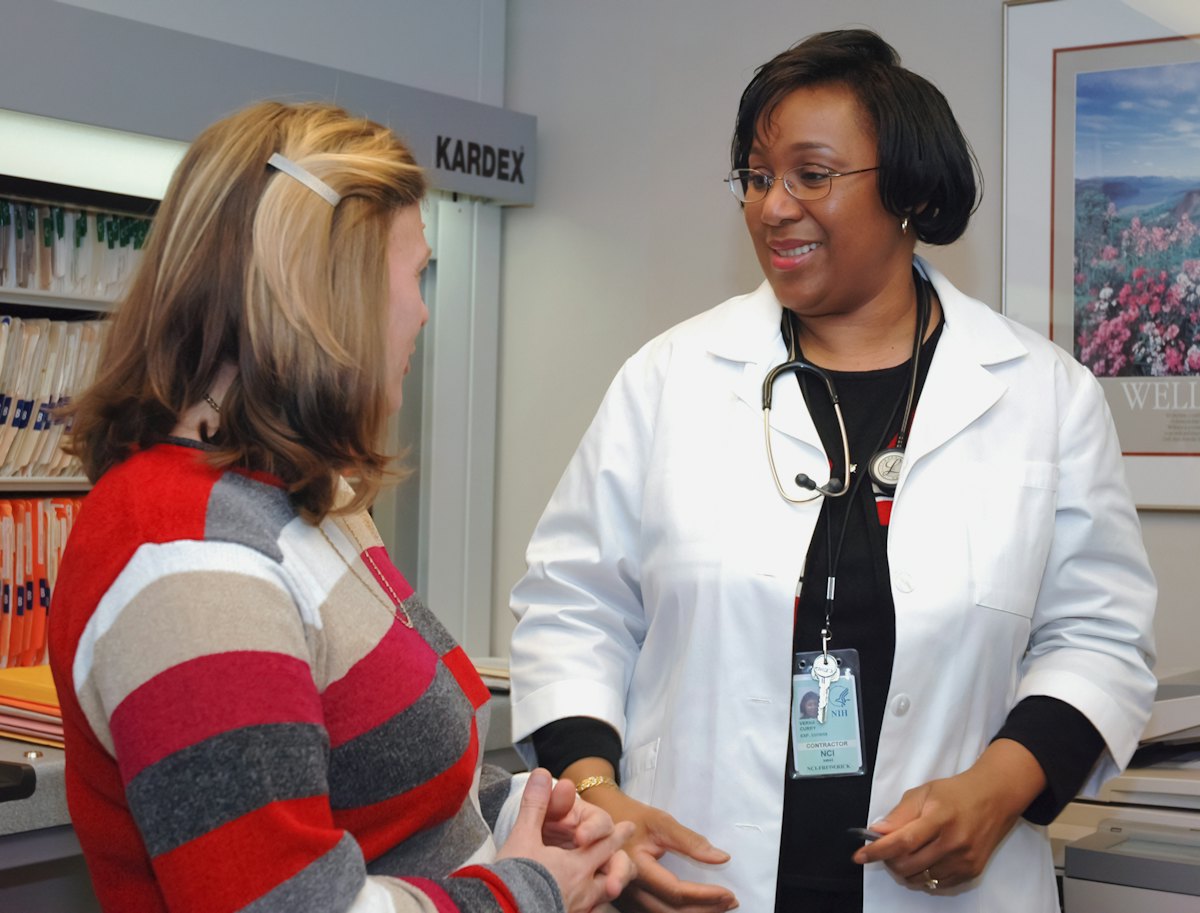
Patient talking with a doctor about lab results
CONNECTOR 10

Chronic kidney disease

Why it's connected

The inner ear and the kidney share similar structures for moving fluid and salts. Kidney disease also builds up toxins and shares risk factors such as diabetes and high blood pressure.

How the hearing loss happens

Toxin build-up and some kidney-related medicines can damage the inner ear and its nerves.

The evidence
54% vs 28%

Hearing loss affected 54% of adults with moderate kidney disease compared with 28% of those without it.

Vilayur E et al. Blue Mountains Hearing Study, American Journal of Kidney Diseases, 2010 (2,564 adults aged 50+).Read the study →

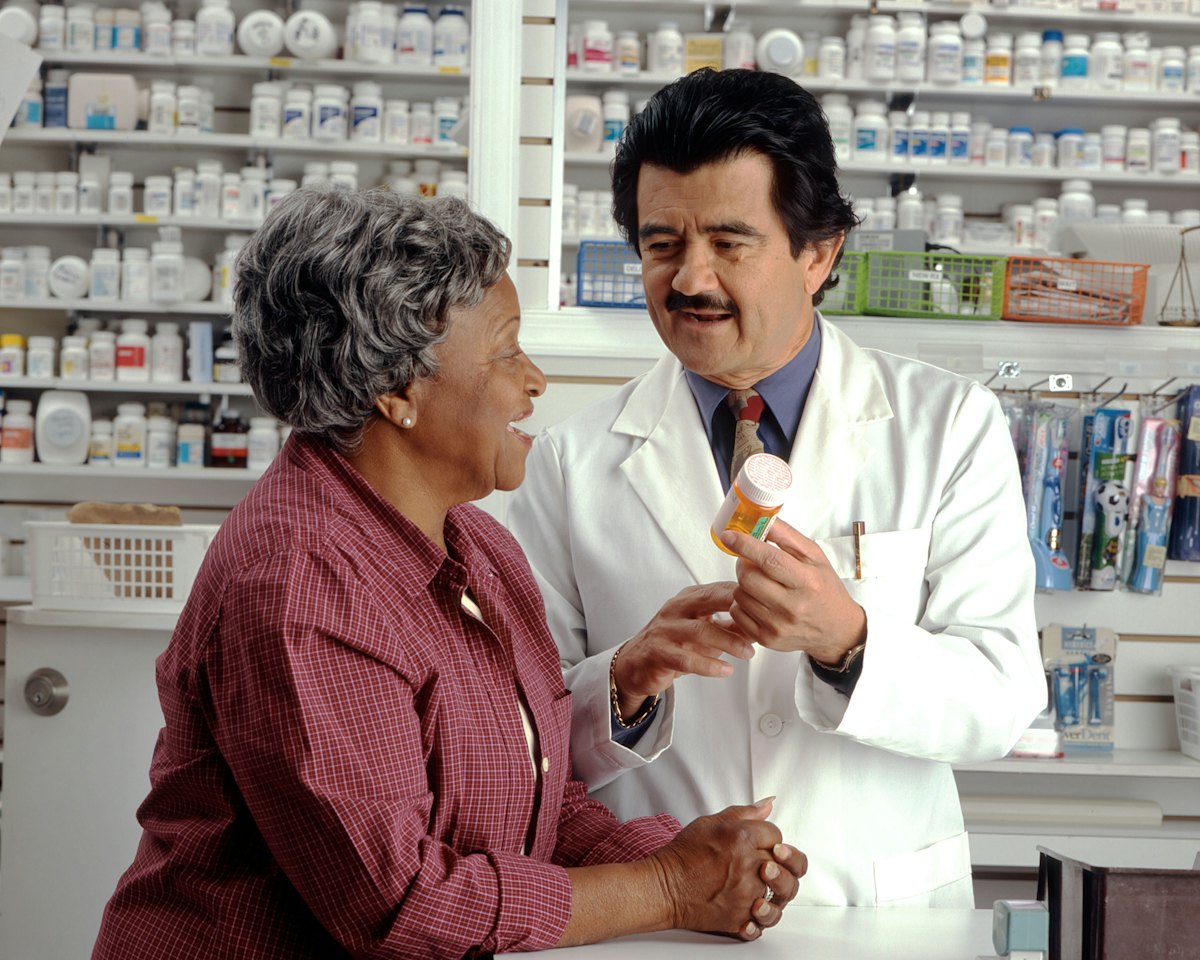
Pharmacist preparing medication
CONNECTOR 11

Ototoxic medicines (cancer & TB)

Why it's connected

Some life-saving medicines, including cisplatin chemotherapy and older injectable drugs for drug-resistant TB, are toxic to the inner ear. Regular hearing tests during treatment catch damage early.

How the hearing loss happens

Direct damage to cochlear hair cells, usually starting in the high frequencies, often permanent.

The evidence
About 1 in 2

Hearing loss occurred in 49% of patients on cisplatin and up to 50% of patients given injectable drugs for drug-resistant TB. WHO has since advised against routine use of those TB injectables.

Lindeborg M et al. Bulletin of the World Health Organization, 2022.Read the study →
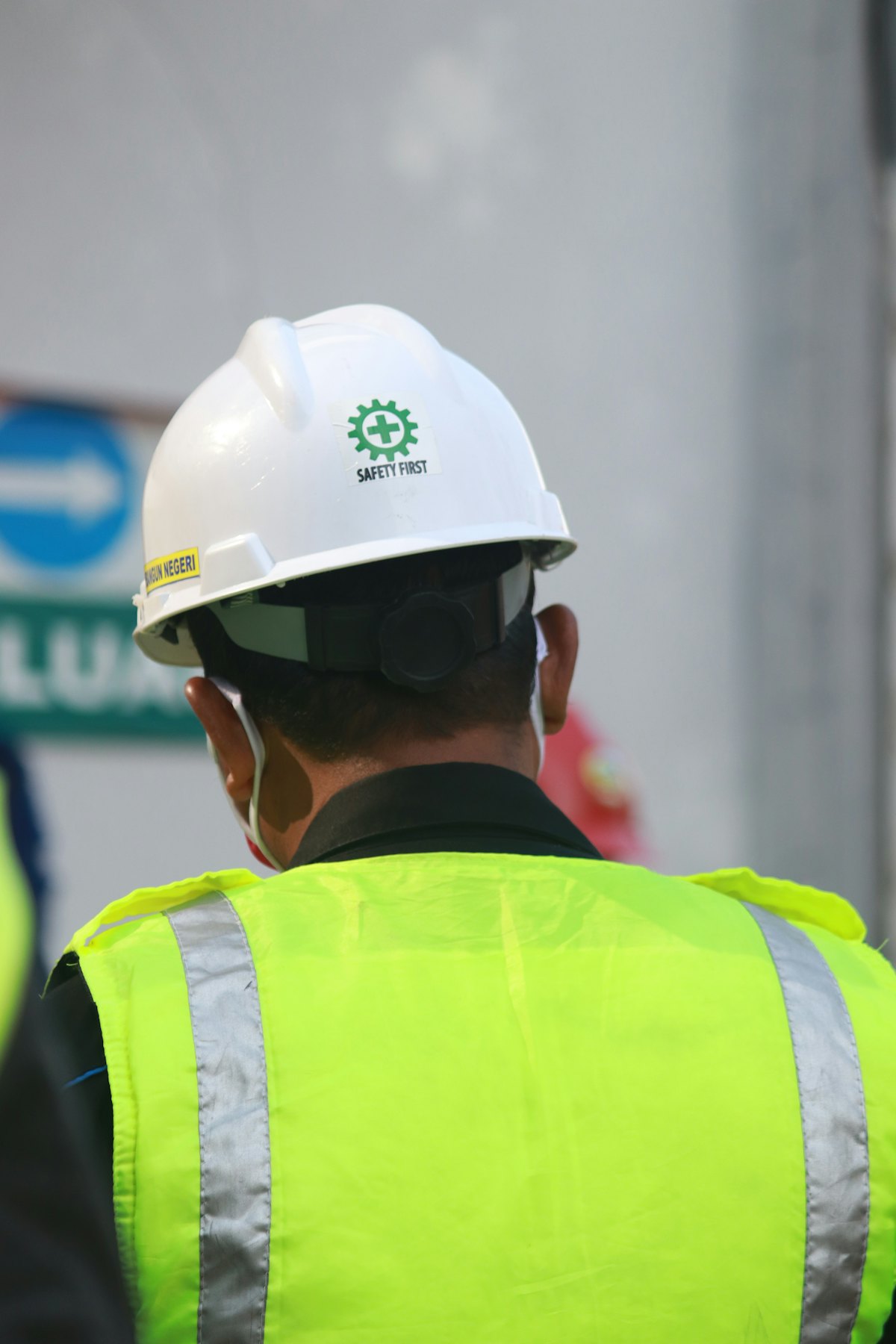
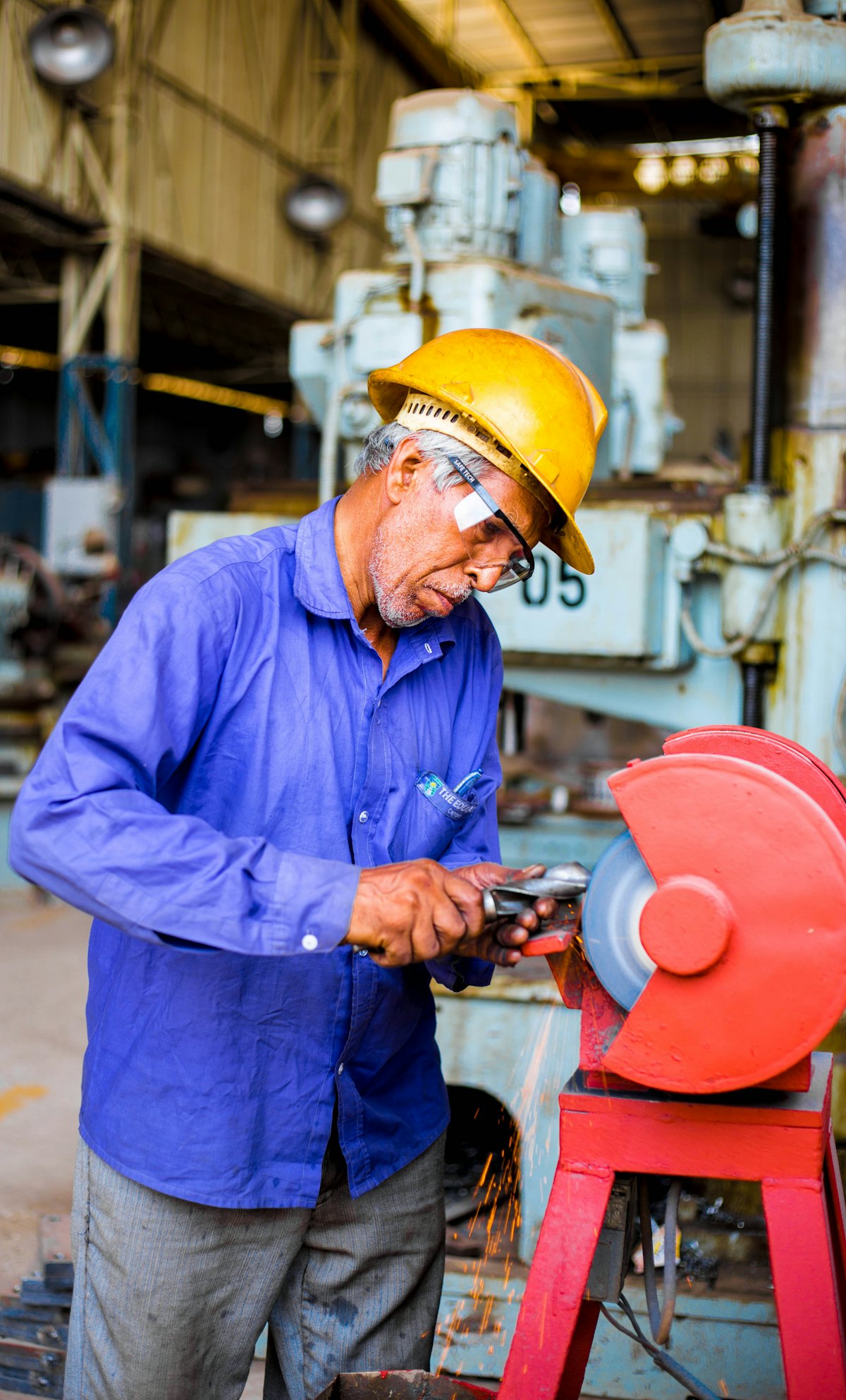
Worker in hearing protection in a factory
CONNECTOR 12

Occupational noise & tinnitus

Why it's connected

Loud sound overworks and kills the hair cells of the cochlea, which never grow back. Ringing in the ears (tinnitus) often comes with it.

How the hearing loss happens

Cumulative, permanent hair-cell damage from noise at work or during leisure.

The evidence
16% of adult hearing loss

A WHO burden-of-disease study attributes 16% of adult-onset hearing loss worldwide to workplace noise. WHO also estimates more than 1 billion young people are at risk from unsafe listening.

Nelson DI, Concha-Barrientos M et al. American Journal of Industrial Medicine, 2005; WHO Make Listening Safe.Read the study →

Most of these studies are observational: they show that conditions are associated with hearing loss, not that one always causes the other. A hearing exam is not a diagnosis of any connector condition. Results are referred to the patient's doctor for follow-up.

Sources

The research behind each connector

  1. Tan CJW et al. Meta-analysis, Otolaryngology–Head and Neck Surgery, 2023 (10 studies). — link
  2. Horikawa C et al. Meta-analysis, Journal of Clinical Endocrinology & Metabolism, 2013 (13 studies, 20,194 people). — link
  3. Jin X et al. Meta-analysis, Frontiers in Neurology, 2025. — link
  4. Livingston G et al. Lancet Commission on dementia prevention, The Lancet, 2020; updated 2024. — link
  5. Lawrence BJ et al. Meta-analysis, The Gerontologist, 2020. — link
  6. Lin FR et al. Health ABC study, JAMA Internal Medicine, 2013 (1,984 adults). — link
  7. Huang AR et al. ACHIEVE study baseline, Journal of Gerontology: Medical Sciences, 2024. — link
  8. Lin FR & Ferrucci L. Archives of Internal Medicine, 2012 (2,017 US adults aged 40–69). — link
  9. Khosravipour M & Rajati F. Meta-analysis, Scientific Reports, 2021. — link
  10. Vilayur E et al. Blue Mountains Hearing Study, American Journal of Kidney Diseases, 2010 (2,564 adults aged 50+). — link
  11. Lindeborg M et al. Bulletin of the World Health Organization, 2022. — link
  12. Nelson DI, Concha-Barrientos M et al. American Journal of Industrial Medicine, 2005; WHO Make Listening Safe. — link

Bring the 12 Health Connectors to your population.

Clinics, employers, insurers and ministries use the same exam to find risk earlier.

Partnerships

You have the patients.
We have the infrastructure.

Every partnership starts from the same idea: no capital outlay for equipment, full diagnostic capability on day one, and an AI platform that keeps the program running. Choose your lane below.

Become the primary care home of hearing health.

Become the primary care home of hearing health.

Add a full diagnostic hearing service line for patients you already see. It runs in your clinic, at work sites, in senior facilities and in the community, all in your practice's name.

What you get

  • Portable diagnostic equipment with no purchase cost
  • Trained coordinator and full coordinator certification
  • About 20 minutes of added diagnostics per patient
  • Booking, reporting and EMR connection on our platform
  • New community patients brought to your practice
One audiologist. A nation of validated results.

One audiologist. A nation of validated results.

AI prepares and pre-reads results, drafts reports and treatment plans, and follows up with patients in your name. You keep the clinical judgement and the signature. Your reach grows from one room to a portfolio of sites.

What you get

  • AI-drafted reports for every degree and type of hearing loss
  • Triage queue: abnormal results first
  • Hearing-aid pathway pipeline
  • Calibration oversight with automatic lockout on drift
  • Clinical credit and professional growth across many sites
Referrals that arrive ready.

Referrals that arrive ready.

ENT partners receive patients who have already had a full diagnostic workup. ENT partners also become global network partners, helping recruit GPs and growing the network that grows their practice.

What you get

  • Pre-worked-up referrals with full audiometric history
  • Routine cases handled by audiology so your time goes to complex care
  • Closed-loop reporting back to the referring GP
  • Role as an endorser of the GP network
We don't compete with occupational health. We power it.

We don't compete with occupational health. We power it.

Employers can cut the cost of mandated hearing testing by up to 75%. In exchange, the whole workforce receives a full diagnostic exam, not just a pass/fail screen. Occupational health consultants keep their client relationships, and their role grows.

What employers get

  • Compliance with OSHA, SANS and national noise regulations
  • Full diagnostics, about 20 minutes per employee, on site
  • Audit-grade records that defend against claims
  • Aggregate workforce health dashboards only; individual results stay private
  • Testing at every site, with no travel for workers
The ear is the front door for your members.

The ear is the front door for your members.

Health, life and supplemental carriers reach whole member populations through mobile exams at workplaces, homes and clinics. It is a year-over-year prevention program tied to the 12 Health Connectors, paid per member per month or by the plan.

What you get

  • Earlier identification of high-cost conditions
  • A friendly, non-alarming health touchpoint for members
  • Aggregate population-health insight
  • Simple flat-fee program options
Reposition, don't spend more.

Reposition, don't spend more.

By redirecting a small share of existing national health spending, a country can fund universal hearing healthcare: diagnostics, devices and human care. We built the program on WHO's investment case and adapt it to each country's laws, payers and priorities.

What ministries get

  • National hearing program built to universal health coverage standards
  • Mobile reach into communities without new buildings
  • Data sovereignty: your data stays in your country
  • A share in the value the national dataset creates
  • Affordable tiered hearing-aid access
Every child heard.

Every child heard.

Undetected hearing loss can look like a learning or behavior problem. We bring screening and full diagnostics into schools and education districts, so children are identified early and connected to care.

What schools get

  • On-site testing with minimal classroom disruption
  • Clear results and referral pathways for families
  • District-level reporting
  • Programs aligned to state and national screening requirements
Built to US federal standards.

Built to US federal standards.

Assured Hearing provides mandated occupational hearing testing for federal programs, including OWCP. The same compliance-first build is then adapted to each country we enter.

Government contracting

  • CAGE Code: 25TH7
  • FDA-registered Class II mobile audiometric devices
  • Mobile capacity for multi-site federal workforces
  • Rapid mobilization for new testing programs

Federal worker? Check your hearing and book a free test near you.

Ready to talk about your lane?

Tell us who you serve. We'll show you what a partnership looks like for you.

KUDUwave by Assured Hearing

Better Hearing,
Better Living.

A portable, automated audiometer that delivers clinical-grade testing outside the sound booth. Assured Hearing manufactures and deploys it worldwide.

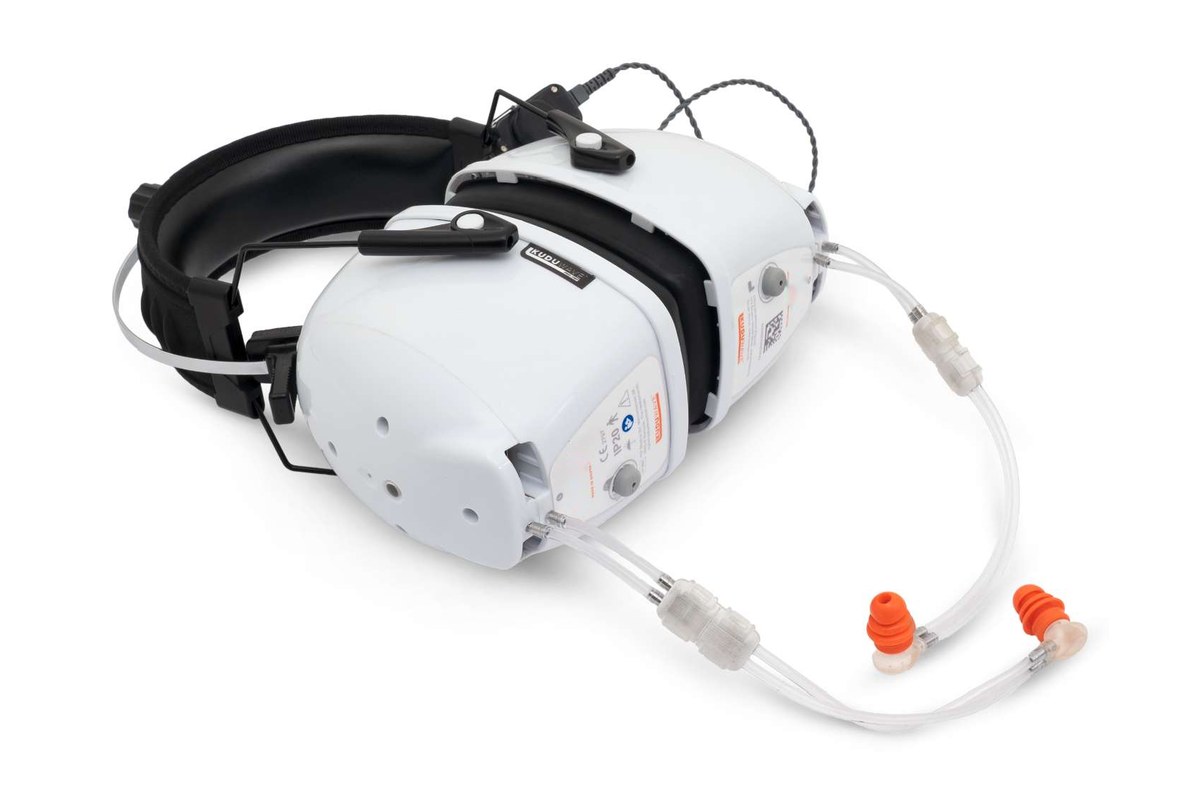
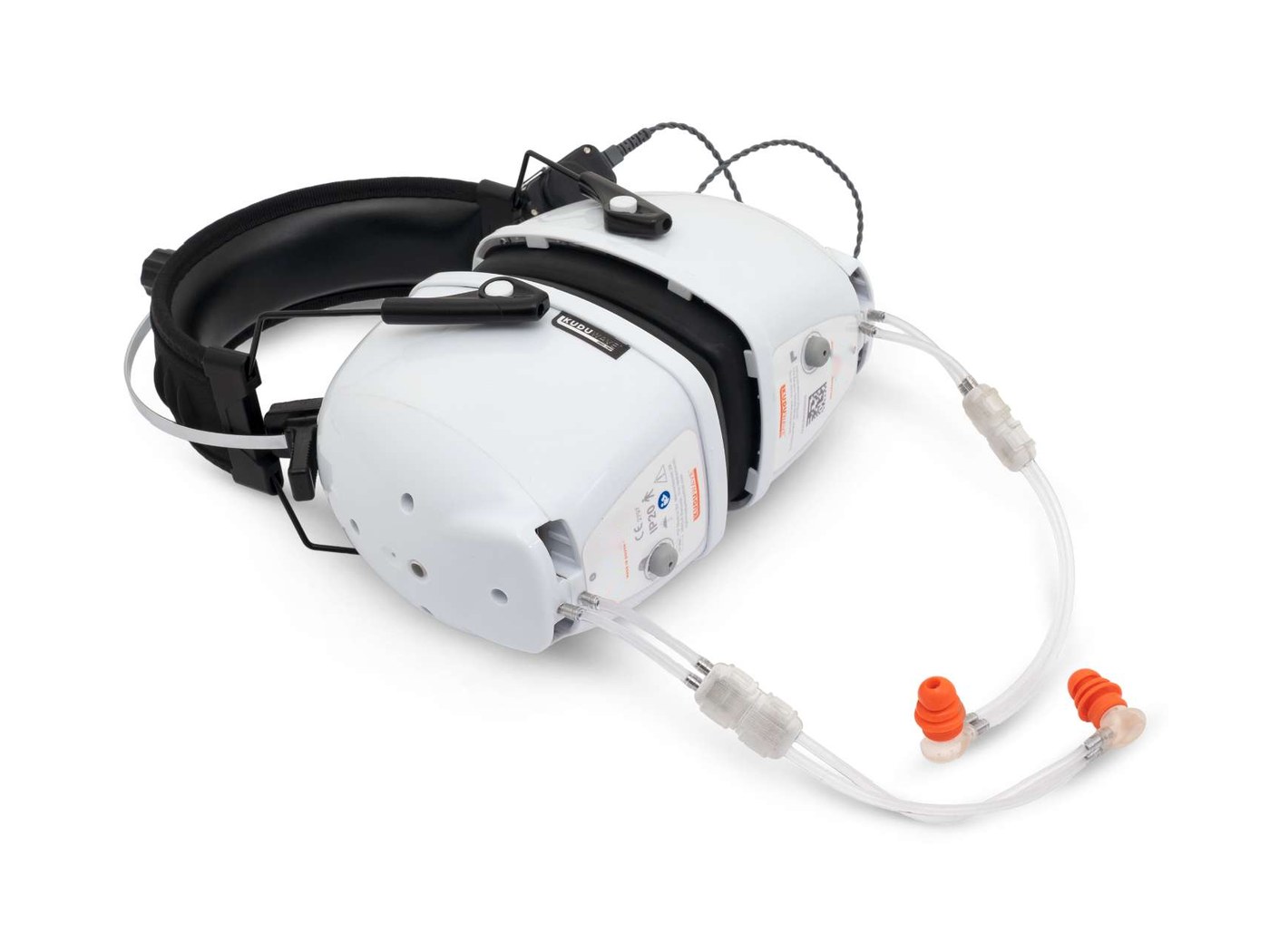
KUDUwave by Assured Hearing portable audiometer
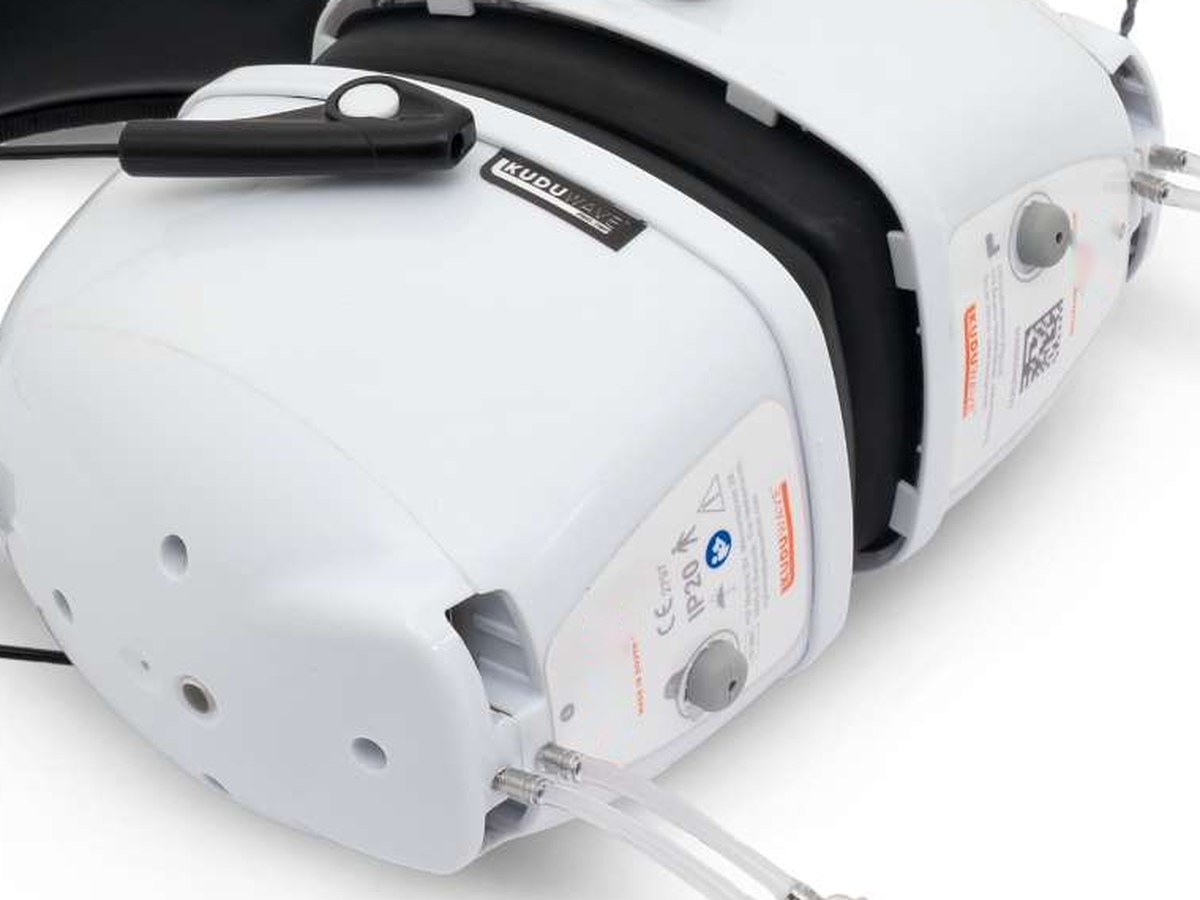
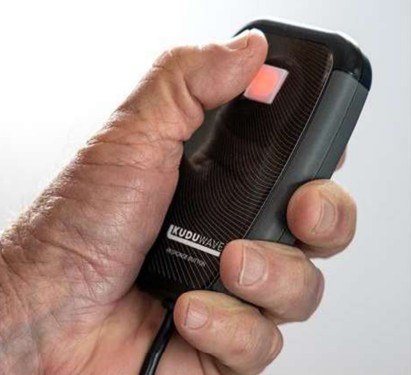
KUDUwave earcups with built-in noise-attenuating designSound-blocking earcups
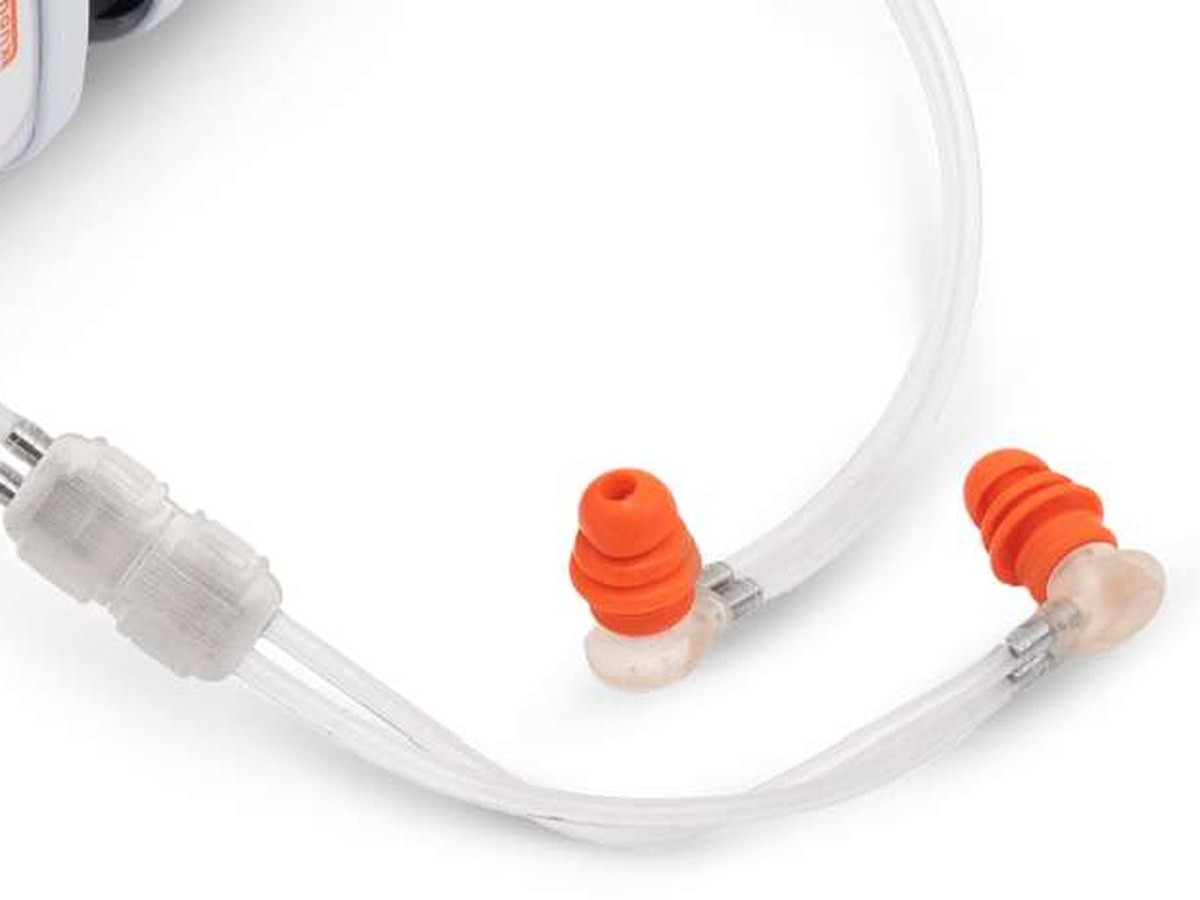
KUDUwave insert earphones with foam tipsBuilt-in insert earphones

KUDUwave in use

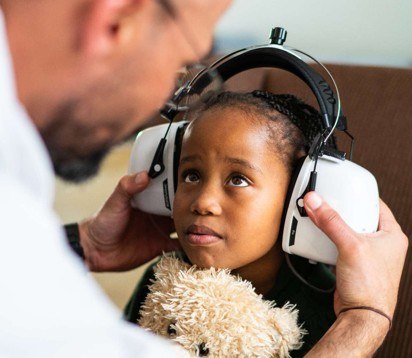
Clinician testing a child with KUDUwaveChildren
Placing a KUDUwave insert earphone for an older patientInsert earphones
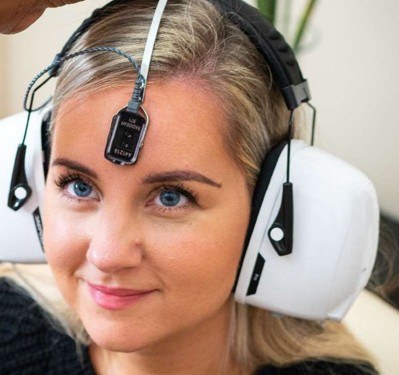
KUDUwave headset with bone conductorBone conduction
KUDUwave patient response buttonPatient response button
Technology

The booth, built into the headset.

  • Insert earphones inside sound-blocking earcups (about 31–52 dB of attenuation)
  • Real-time ambient noise monitoring during every test
  • Automated threshold testing, plus manual mode
  • Air conduction 125 Hz – 8 kHz (extended to 16 kHz) and forehead bone conduction
  • Speech testing and tympanometry
  • Around 0.8 kg, powered from a laptop's USB port
Regulatory

FDA-registered Class II medical device

Calibrated to international audiometry standards and certified to SANS hearing-conservation calibration requirements. It is suitable for occupational health programs.

Peer-reviewed evidence

Validated against the sound booth.

More than a decade of published research compares KUDUwave results with conventional booth audiometry, in adults, older adults, school children and noisy real-world settings.

Int J Audiol · 201395%

of air-conduction thresholds within 0–5 dB of booth testing in 147 older adults, tested with no booth.

J Am Acad Audiol · 201396%

of thresholds within 0–5 dB in 149 school children, tested on a mobile setup without a booth.

J Occup Environ Hyg · 2011>90%

of air-conduction thresholds within 5 dB of a conventional audiometer.

Am J Audiol · 2022 INDEPENDENT94.5%

within 10 dB of booth testing in an independent US study of 69 participants.

Int J Audiol · 2014 INDEPENDENT92%

of thresholds within 5 dB even with background noise, in a US university study.

Am J Audiol · 2020100%

sensitivity for tympanogram type with the bilateral simultaneous tympanometer.

Swanepoel & Biagio 2011; Maclennan-Smith, Swanepoel & Hall 2013; Swanepoel, Maclennan-Smith & Hall 2013; Storey et al. 2014; Ramatsoma & Koekemoer 2020; Serpanos et al. 2022. Published validation studies report 87–97% of thresholds within 5 dB of booth results; agreement is lower at the highest frequencies.

Global footprint

Africa first.
The world next.

We operate in the United States, South Africa and Namibia. Our roadmap reaches more than 100 countries. Africa is the heart of the build, because that is where the gap in hearing care is widest and the opportunity is greatest.

Community health day in Africa
UNITED STATES

Assured Hearing LLC

Federal and OWCP occupational testing, clinic and primary-care partnerships, schools, insurers and EMR integrations.

SOUTH AFRICA

Assured Hearing (Pty) Ltd

Our African operations and manufacturing hub, Gauteng. Clinical networks, employer and mining hearing conservation, university research.

NAMIBIA

National network pilot

A GP, audiologist and ENT clinical network, occupational health certification, and partnership with national health stakeholders.

Why Africa

Where the gap is widest, the impact is greatest.

  • In more than 75% of African nations there is fewer than one audiologist or speech therapist per million people (WHO)
  • Only about 1 in 10 people who need a hearing aid in the WHO African Region has one
  • Disabling hearing loss in the region is projected to reach 54 million by 2030
  • WHO estimates about 60% of childhood hearing loss is due to preventable causes
Our approach

Mobile. Sovereign. Self-sustaining.

Portable devices reach communities without new buildings. Each country's data stays under its own law. Programs are funded by redirecting existing health spending, not by adding to it. Universities train providers and lead the research.

Roadmap

From pilot to planet.

Now: United States, South Africa, Namibia

Pilot programs, federal enrollment, and clinical and occupational networks.

Next: Southern Africa

Neighbouring countries within a short flight of our South African hub.

Then: Africa's largest nations

National hearing programs across 35+ countries.

Vision: 100+ countries

600,000 connected devices forming the world's largest hearing-health infrastructure.

About Assured Hearing

Advancing Hearing Care Together.

Assured Hearing is a global mobile audiometric and population health infrastructure company. We exist to make hearing care reachable for everyone, everywhere, and to use it as the front door to better health.

Our story

It began with one question: why can't people afford to hear?

Our founder, Tyrone F. Moore, set out in America as an advocate, helping people afford hearing aids. Learning about the KUDUwave in South Africa brought him to Africa. There he saw a far bigger truth: across most of the world, hearing care doesn't fail because it's expensive. It fails because it never reaches people.

So Assured Hearing was built to go to the patient. A portable, validated device; an AI platform that does the work of many hands; and partners in every corner of healthcare who already have the patients' trust.

Tyrone F. Moore Sr., Founder and CEO of Assured Hearing

Tyrone F. Moore

Founder & Chief Executive Officer

UC Berkeley graduate and former Cal running back, with decades in health insurance and benefits, including five consecutive MDRT qualifications. He now leads Assured Hearing across the US, South Africa and Namibia.

What we stand for

Our commitments

Patients first

Care reaches people where they are, and patients control their own data.

Consent honoured

No data is used without consent, and identified data is never sold.

Countries paid

Nations share in the value their health data creates.

Partners grow

We build our partners' practices and keep them at the center of care.

Assured Hearing team at work
Careers

Help build the front door to healthcare.

We're growing teams in engineering and AI, clinical operations, field coordination and partnerships across three countries and counting.

Contact

Embark on your hearing journey.

Partnership, government, media or careers inquiries: reach us directly, or tell us about your organization below.

EmailT.Moore@Assured-Hearing.com
United States(707) 343-6020
South Africa & Namibia+27 71 839 0137
OfficeWaterfall City, Gauteng, South Africa
Webwww.assured-hearing.com
GovernmentCAGE Code 25TH7